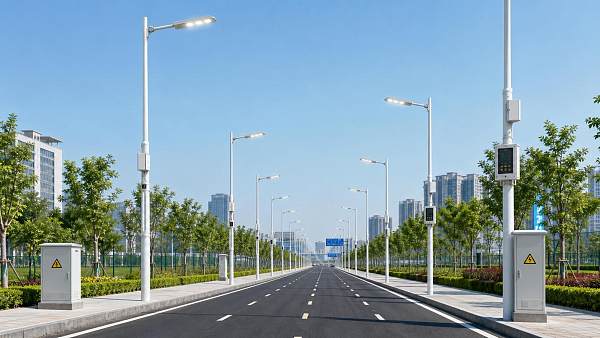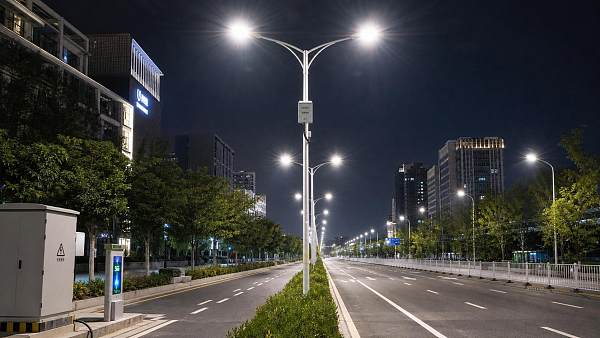
Municipal Lighting Retrofit USA: Cost and Payback
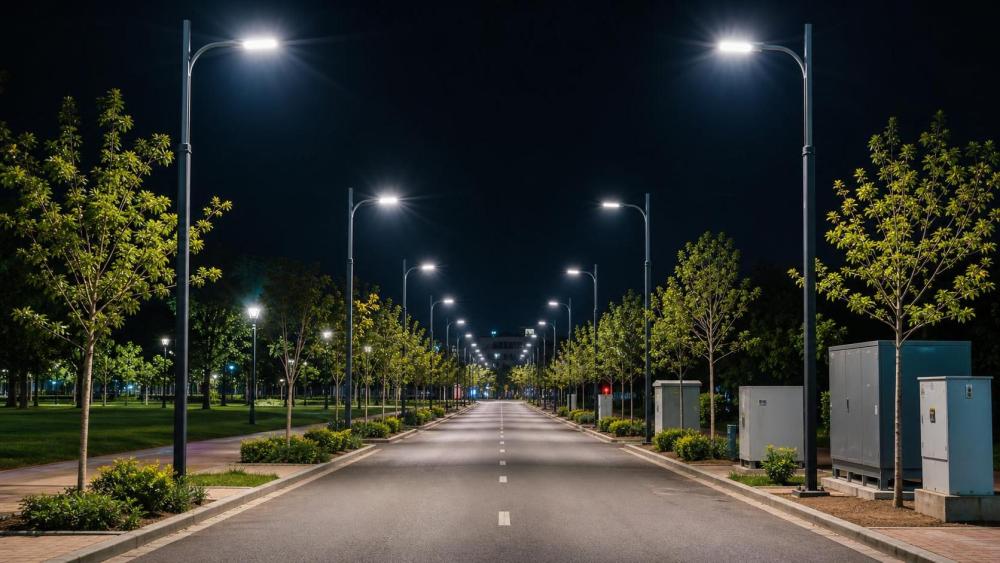
For finance approvers, a municipal lighting retrofit USA project is not only about visibility.
It is a budget decision tied to utility savings, maintenance reduction, and asset life.
The strongest cases are built on verified baseline data, tariff assumptions, and realistic operating hours.
That matters because public lighting portfolios often include roads, parks, parking areas, and civic facilities.
Each segment has different burn hours, outage costs, and procurement constraints.
A well-structured municipal lighting retrofit USA plan turns those variables into a practical payback model.
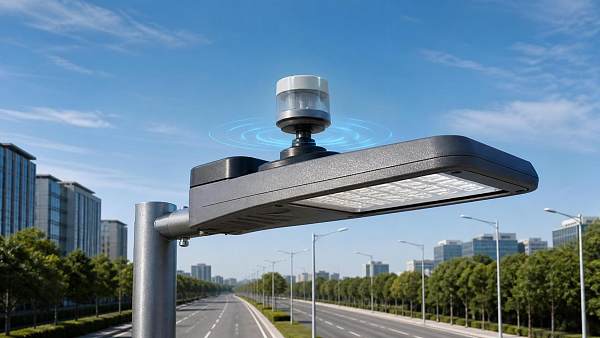
In most cities, the core upgrade combines LED luminaires, improved optics, and smart controls.
The result is lower wattage, better light distribution, and fewer truck rolls.
From a finance perspective, those are the numbers that move approval forward.
What Drives Cost in a Municipal Lighting Retrofit USA Project
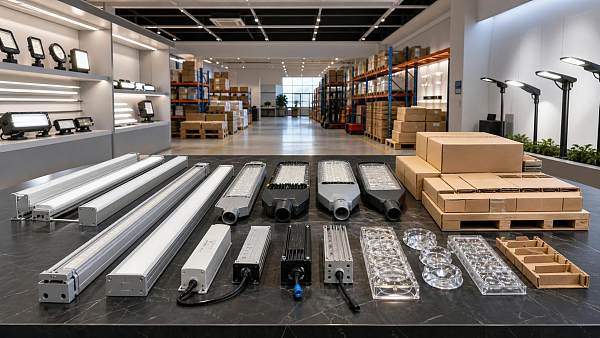
Project cost starts with fixture count, mounting condition, and the existing lamp technology.
High-pressure sodium replacements usually show stronger savings than newer induction or fluorescent assets.
Pole condition also affects cost.
If arms, brackets, or wiring need correction, installation budgets rise quickly.
The second cost driver is specification depth.
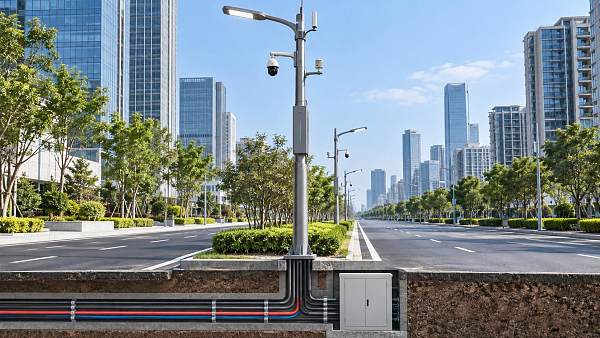
Basic LED replacement is cheaper upfront than a networked smart streetlight deployment.
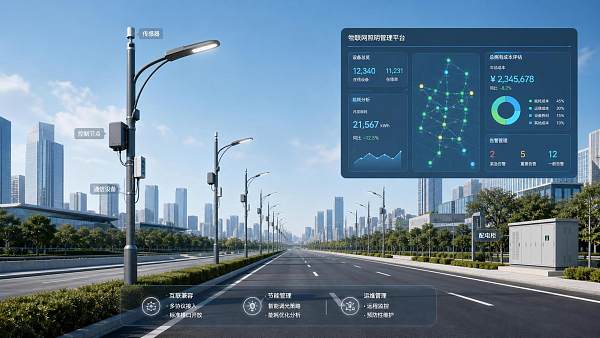
However, controls can improve dimming schedules, outage alerts, and long-term operating discipline.
That changes total cost of ownership, not just bid price.
- Luminaire cost by wattage, housing quality, and optical design
- Installation labor, lifts, traffic control, and disposal
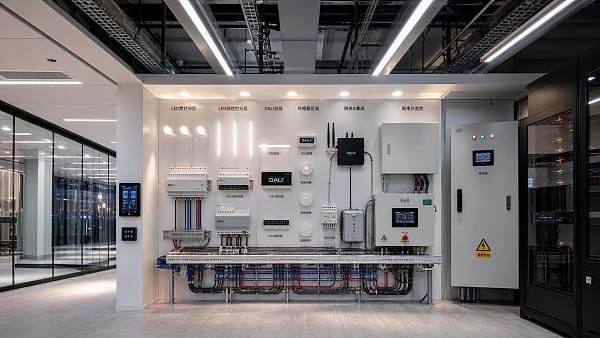
- Control nodes, gateways, and software licensing
- Commissioning, metering validation, and project management
- Contingency for field conditions and legacy infrastructure issues
In actual procurement, cities often underestimate commissioning and documentation costs.
That is manageable, but only if it appears in the first business case.
How Payback Is Calculated
A municipal lighting retrofit USA payback model should be simple enough to audit.
At minimum, it should include energy savings, maintenance savings, and capital cost.
The common formula is straightforward.
Simple payback equals total installed cost divided by annual net savings.
Net savings should reflect utility rebates and any recurring software fees.
A more robust review adds net present value and internal rate of return.
That matters when the funding horizon exceeds five years.
Many municipal teams focus on energy only.
The stronger signal usually comes from maintenance avoidance over several budget cycles.
Typical Cost and Payback Ranges
A municipal lighting retrofit USA program can vary widely by scope and geography.
Still, decision makers usually need benchmark ranges before opening a full study.
For cobra-head streetlight replacements, installed costs often land between moderate and premium tiers.
The spread depends on fixture quality, controls, and labor access.
Simple payback often falls within four to eight years.
Projects with rebates and strong maintenance savings can move faster.
Projects with decorative fixtures or complex controls usually take longer.
- Standard LED streetlight replacement: lower capital intensity, quicker payback
- LED plus networked controls: better operational visibility, medium payback
- Decorative or custom poles: higher aesthetics value, longer payback
- Area lighting and parking assets: often attractive due to high burn hours
This also explains why portfolio segmentation is useful.
Not every asset class needs the same procurement path or return threshold.
Where Savings Usually Come From
The first savings source is lower energy consumption.
LED streetlights often reduce wattage significantly while maintaining target light levels.
The second source is reduced maintenance activity.
Longer-life luminaires cut relamping cycles, emergency callouts, and inventory handling.
The third source comes from controls.
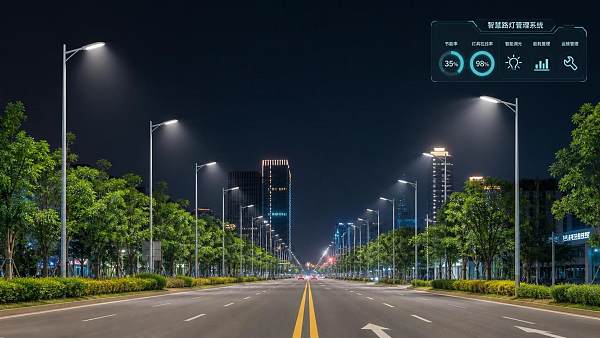
Adaptive dimming, scheduling, and fault alerts tighten operating discipline across the whole network.
For a municipal lighting retrofit USA business case, those savings should be separated clearly.
- Energy reduction from lower connected load
- Maintenance reduction from longer service intervals
- Operational reduction from fewer patrol inspections
- Administrative improvement from better asset visibility
When these categories are bundled together without explanation, approvals tend to slow down.
Clear attribution makes the numbers easier to defend later.
Key Risks That Affect ROI
Not every municipal lighting retrofit USA proposal performs as forecast.
The biggest risk is weak baseline data.
If fixture counts, wattages, or burn hours are wrong, the payback model shifts immediately.
Another risk is overreliance on nominal lifetime claims.
Driver quality, thermal design, and surge protection strongly influence field performance.
There is also a procurement risk.
A low initial bid can create higher lifecycle cost if warranty support is weak.
Common ROI risks include:
- Incomplete asset surveys before tender
- Insufficient surge protection for local grid conditions
- Unclear control software ownership and renewal terms
- Warranty language that excludes realistic failure scenarios
- Photometric mismatch that leads to redesign or public complaints
These are not minor details.
They directly influence whether projected savings appear on schedule.
What to Request Before Approval
A stronger municipal lighting retrofit USA review starts with disciplined documentation.
The goal is not to create paperwork.
The goal is to remove uncertainty from cost and payback assumptions.
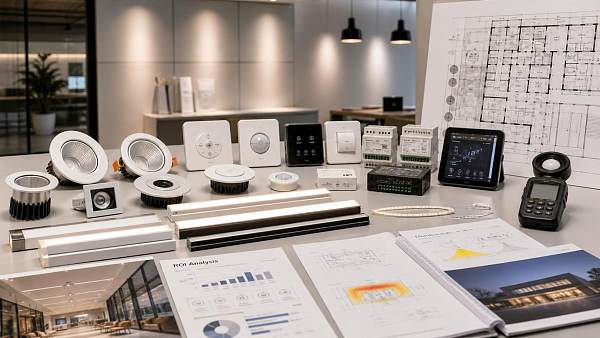
- Ask for a fixture-by-fixture inventory with existing wattage and location.
- Request proposed wattage, light distribution, and controls by asset type.
- Require an annual savings model with stated tariff assumptions.
- Review warranty scope for drivers, surge devices, and control nodes.
- Confirm software terms, data access, and cybersecurity responsibilities.
- Verify rebate eligibility and expected payment timing.
- Ask for a measurement and verification approach after commissioning.
This is usually where good projects separate themselves from average ones.
The numbers become more believable when the technical details are easy to trace.
A Practical Decision Framework
A municipal lighting retrofit USA decision does not need to be complicated.
It needs to be disciplined, comparable, and tied to budget reality.
Start with the baseline.
Then test the savings model, challenge maintenance assumptions, and isolate hidden operating costs.
Next, compare simple LED replacement against LED plus controls.
In some districts, controls justify themselves quickly.
In others, a phased deployment is the better financial choice.
Finally, frame approval around total lifecycle value, not only first cost.
That is how a municipal lighting retrofit USA program becomes easier to justify and easier to manage after award.
When the proposal shows verified savings, realistic payback, and controlled risk, approval follows a much clearer path.
Related News
 What drives smart pole project cost in a citywide rollout?Smart pole project cost depends on more than hardware. Explore the civil, power, connectivity, software, and lifecycle factors shaping a reliable citywide rollout budget.
 How to build a municipal lighting retrofit roadmap around lifecycle costMunicipal lighting retrofit roadmap: build a lifecycle-cost plan that lowers energy, maintenance, and controls risk while strengthening ROI, procurement, and budget decisions.
 What drives lighting commissioning cost in smart lighting projectsLighting commissioning cost in smart lighting projects depends on controls complexity, sensors, software, and integration. Learn the biggest cost drivers and how to avoid rework.
 When does connected lighting lower total cost in commercial buildingsConnected Lighting lowers total cost in commercial buildings when it boosts energy savings, maintenance efficiency, and space insight. Learn when the ROI truly works.
 When do smart controls pay off in a municipal lighting retrofit?Municipal lighting retrofit smart controls pay off when dimming, remote monitoring, and lower maintenance deliver measurable ROI. Learn when the added cost becomes a justified investment.
 How to Evaluate a Wireless Lighting Sensor Supplier for Smart Streetlight ROIWireless lighting sensor supplier selection can make or break smart streetlight ROI. Learn how to compare compatibility, support, and total cost to choose the right partner.
 What Drives LED Supply Chain Cost in Large Lighting Projects?LED supply chain cost in large lighting projects goes far beyond fixture price. Discover the hidden drivers, risks, and practical checks that help buyers avoid overruns.
 How to Evaluate a Lighting Design Consulting Company for Project ROILighting Design Consulting company evaluation starts with ROI. Learn how to assess technical depth, controls, compliance, and delivery support before you commit.
 How to Compare an IoT Lighting Management Platform for Smart Streetlight TCOIoT lighting management platform comparison starts with smart streetlight TCO. Learn how to assess interoperability, deployment, connectivity, alarms, and scalability before you buy.
 How Municipal Lighting Energy Contracts Affect Streetlight TCO and PaybackMunicipal lighting energy contracts shape streetlight TCO, risk, and payback. Learn how to compare baselines, financing, maintenance, and savings terms before approving an LED upgrade.
 What Drives Tunable White Lighting Price in Commercial Projects?Tunable White Lighting price depends on controls, drivers, color consistency, installation, and compliance. Learn the real cost factors to compare quotes smarter and avoid hidden commercial project expenses.
 How Municipalities Calculate Lighting ROI Before Upgrading StreetlightsLighting ROI for municipalities starts with data, not guesswork. Learn how cities assess energy, maintenance, controls, and risk before upgrading streetlights.