Why Smart Building Automation Lighting Usually Delivers the First Measurable Wins
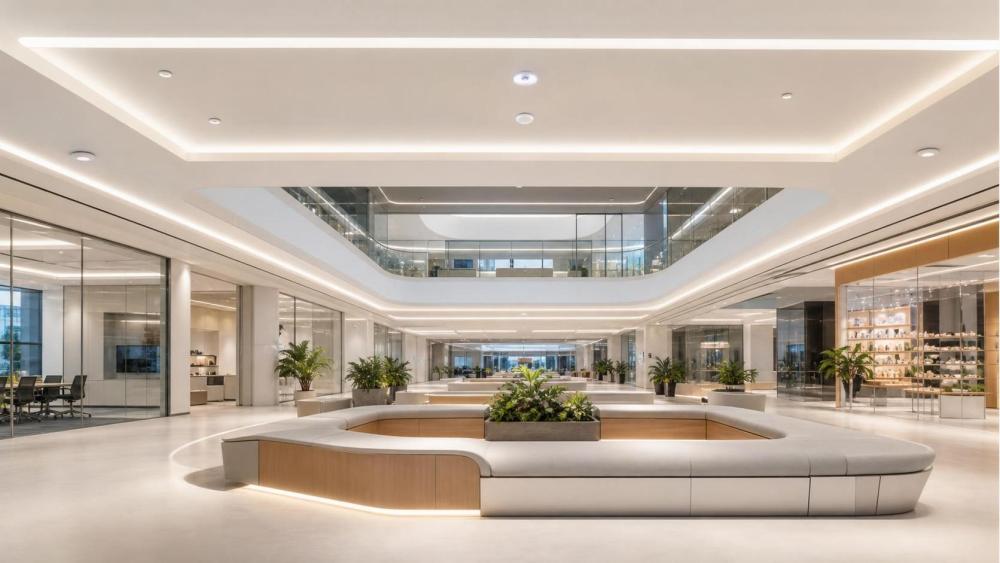
Smart Building Automation Lighting often becomes the fastest efficiency upgrade because lighting touches every occupied hour, every zone, and every maintenance cycle.
In real properties, the value is not only lower electricity use. It is also better visibility, steadier comfort, and more useful operating data.
That matters across offices, retail floors, mixed-use buildings, campuses, hospitals, and public facilities where occupancy patterns change constantly.
The practical appeal is clear. Existing luminaires may work, yet schedules remain static, dimming is inconsistent, and empty areas stay illuminated.
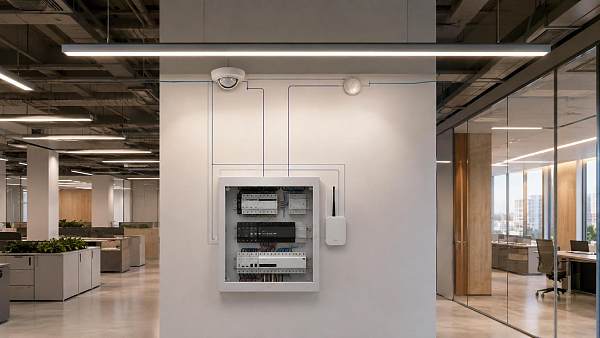
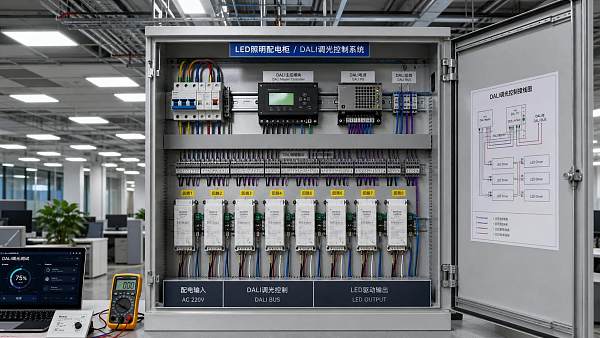
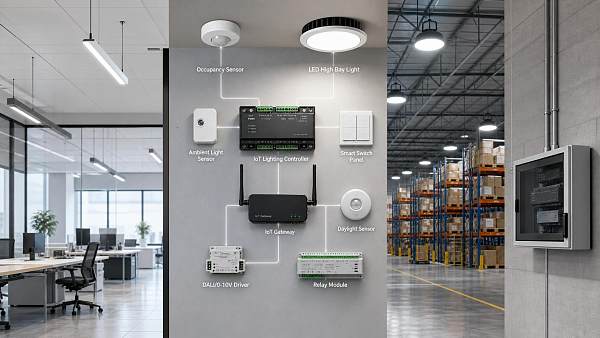
Smart Building Automation Lighting addresses those gaps through sensors, networked controls, IoT drivers, and scene logic that respond to actual use.
Within the wider SILS perspective, that is where technical detail meets business judgment: efficacy, glare control, protocol choice, compliance, and lifecycle cost.
Different buildings ask different questions before the system ever saves energy
One common mistake is assuming Smart Building Automation Lighting works the same way in every commercial setting. It does not.
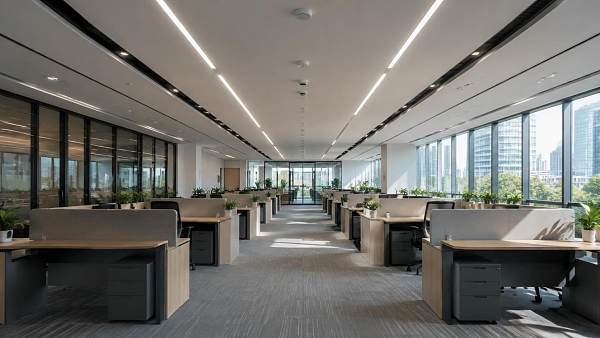
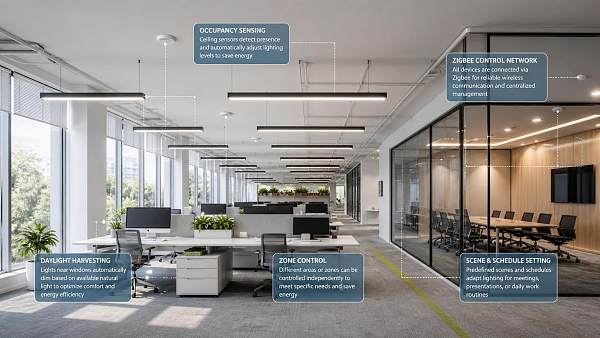
An office typically cares about daylight harvesting, UGR control, circadian comfort, and meeting-room scheduling.
A retail site usually prioritizes merchandising flexibility, high CRI presentation, scene changes, and reliable dimming without visible flicker.
Public buildings often focus more on security routes, code compliance, after-hours control, and maintenance visibility across large footprints.
These differences explain why product data alone is never enough. The same driver or protocol can perform very differently under different schedules and loads.
More useful evaluation starts with three questions: how the space is occupied, how lighting quality affects use, and how much operational change the team can manage.
In office environments, control quality matters as much as energy reduction
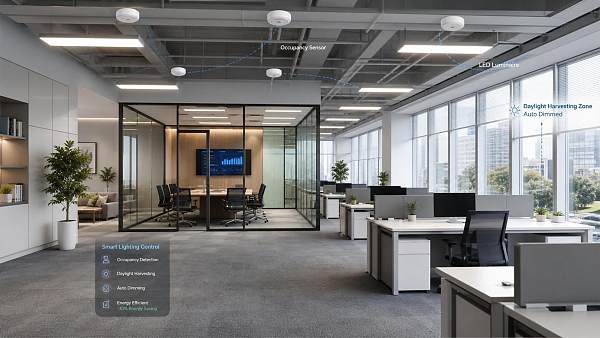
Office retrofits often begin with energy targets, but the strongest outcomes usually come from balancing savings with visual comfort.
Open-plan areas need occupancy sensing that avoids nuisance switching. Frequent false-off events quickly create complaints and manual override habits.
Conference rooms need scene logic, not just motion detection. A video call, presentation, and collaborative workshop require different dimming profiles.
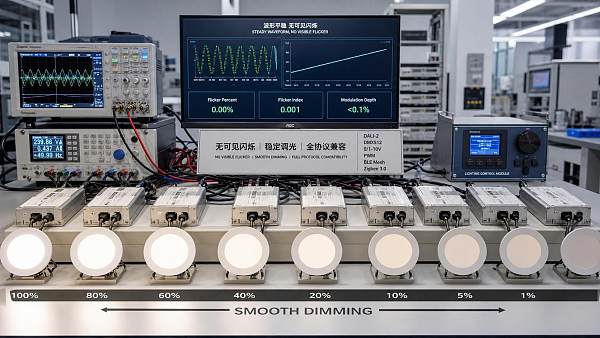
Here, Smart Building Automation Lighting should support flicker-free dimming, stable driver behavior, and integration with DALI, Zigbee, or building platforms.
If daylight harvesting is added, sensor placement becomes critical. Poor positioning can cause oscillating output and uncomfortable brightness shifts.
Where long work hours are common, human-centric tuning may also matter. It should be applied carefully, with realistic schedules rather than cosmetic presets.
Retail spaces usually judge lighting by flexibility first
Retail environments rarely succeed with a purely utility-driven approach. The lighting has to sell, guide, and adapt.
That changes the Smart Building Automation Lighting conversation. Scene transitions, accent control, and color consistency matter alongside energy savings.
A store with seasonal displays benefits from addressable zones and quick reprogramming. Static circuits create labor costs every time the layout changes.
High CRI and anti-glare optics also need attention. Aggressive dimming with poor optics can save power while making products look flat or uneven.
In these spaces, better judgment usually combines merchandising goals with driver reliability, thermal stability, and dimming compatibility over long operating hours.
Public facilities and campuses need control logic that stays reliable at scale
Large public properties create a different test for Smart Building Automation Lighting. Scale increases the value of automation, but also exposes weak system design.
Corridors, lobbies, washrooms, parking zones, and external walkways rarely follow the same occupancy rhythm. Uniform scheduling wastes energy or reduces safety.
A better approach uses layered control. Core circulation areas maintain minimum light levels, while low-traffic zones dim deeper when vacancy persists.
This is also where remote fault visibility matters. Monitoring failed drivers, abnormal runtime, or sensor issues reduces maintenance rounds and improves service continuity.
SILS often frames this well by connecting controls with lifecycle performance. Intelligent lighting is not only an installation decision; it is an operating model.
Different scenarios do not share the same decision priorities
A side-by-side view helps clarify why Smart Building Automation Lighting should be matched to use conditions rather than selected as a generic package.
Where Smart Building Automation Lighting is often misjudged
The first misjudgment is focusing only on wattage reduction. Real performance depends on controls, optics, sensors, drivers, and user behavior together.
Another frequent issue is treating protocol selection as a minor detail. DALI, Zigbee, Matter, and proprietary ecosystems affect expansion, maintenance, and integration.
Thermal conditions are also underestimated. Poor heat management shortens driver life and degrades lumen maintenance, especially in enclosed ceilings or long-hour retail use.
Some projects over-automate small spaces. If overrides are confusing, occupants bypass the system, and expected savings disappear.
Compliance can be overlooked as well. Emergency lighting interaction, flicker performance, blue light safety, and local energy codes must be checked early.
The hidden cost question is usually long-term, not initial
A low upfront quote may still produce weak results if commissioning takes longer, devices fail early, or replacement parts lock the site into one vendor.
That is why Smart Building Automation Lighting should be reviewed through total operating impact, not fixture price alone.
Practical ways to match the system to the space
Before final specification, a structured review prevents most mismatches and keeps Smart Building Automation Lighting aligned with real use.
- Map zones by occupancy pattern, not by floorplan alone.
- Check whether glare, CRI, or visual uniformity affects task quality.
- Confirm protocol compatibility with existing controls and BMS layers.
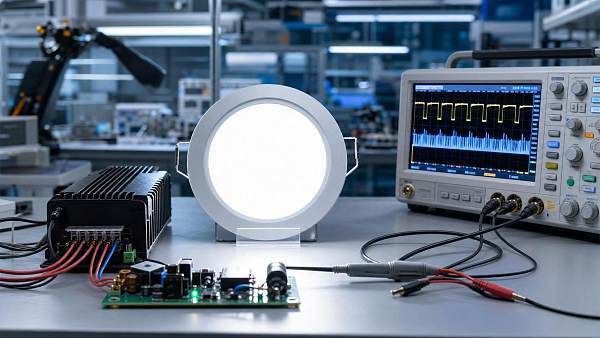
- Review dimming method, driver stability, and visible flicker risk.
- Estimate maintenance access, replacement cycles, and software support.
- Test one pilot area before scaling across the whole property.
In many projects, a pilot reveals more than a catalog ever will. Sensor sensitivity, user response, and commissioning time become easier to judge.
That same discipline reflects the SILS approach to lighting intelligence: compare technologies through application performance, not isolated specifications.
What to review next before moving forward
Smart Building Automation Lighting creates the best results when the scenario is defined clearly before products are compared.
Start by listing the spaces with the highest runtime, the greatest occupancy variation, and the strongest sensitivity to comfort or presentation.
Then compare control options against actual limits: wiring condition, ceiling access, commissioning resources, protocol requirements, and future expansion.
It is also worth documenting glare targets, dimming expectations, thermal constraints, and compliance checkpoints before final selection.
When those factors are visible early, Smart Building Automation Lighting shifts from a promising concept to a measurable operational advantage.
Related News
 Does wireless smart lighting control work with existing DALI systems?Wireless smart lighting control can upgrade existing DALI systems with the right gateway. Explore compatibility, commissioning, coverage, and retrofit best practices.
 Can adaptive lighting control for offices reduce energy use without complaints?Adaptive lighting control for offices cuts energy use while protecting comfort. Explore smart zoning, commissioning, and overrides that prevent complaints.
 When does zigbee lighting for offices lower energy costs enough to justify the upgradeZigbee lighting for offices lowers energy costs fastest in spaces with long hours, hybrid occupancy, and costly rewiring. See when savings, flexibility, and ROI justify the upgrade.
 How to Evaluate an LED Drivers Supplier for Dimming StabilityLED drivers supplier selection starts with dimming stability. Learn how to verify flicker, protocol compatibility, thermal reliability, and test data before you buy.
 DALI Dimming Control: Common Wiring Errors and How to Prevent ThemDALI dimming control wiring mistakes can derail commissioning fast. Learn the most common errors, how to prevent flicker, misaddressing, and downtime, and improve lighting reliability.
 IoT Lighting Controls Supplier: Key Cost and Integration Risks to ReviewIoT lighting controls supplier selection goes beyond price. Learn hidden costs, integration risks, cybersecurity concerns, and smart evaluation tips before you commit.
 Office Lighting Controls: How to Reduce Energy Waste FastOffice lighting controls help cut energy waste fast with occupancy sensors, daylight harvesting, and smart scheduling. Learn how offices can lower costs, improve comfort, and prove ROI.
![]() Tunable White Lighting Supplier Checklist for Smarter Project BidsTunable White Lighting supplier checklist for smarter project bids. Compare controls, compliance, dimming, and delivery reliability to reduce risk and choose with confidence.
Tunable White Lighting Supplier Checklist for Smarter Project BidsTunable White Lighting supplier checklist for smarter project bids. Compare controls, compliance, dimming, and delivery reliability to reduce risk and choose with confidence. PWM Dimming Technology: How to Reduce Flicker Without Losing ControlDimming Technology PWM explained: learn how to reduce flicker without losing precise control. Discover causes, smart fixes, and best practices for reliable LED dimming.
 7 Pin NEMA Socket Lighting: Common Compatibility Issues to Check7 pin NEMA socket lighting issues often start with hidden pin, protocol, or sealing mismatches. Learn the key compatibility checks to prevent retrofit failures and costly repeat maintenance.
 DOE Extends Waiver on Thermal Cycling Test for DALI/Zigbee DimmersDOE extends the thermal cycling test waiver for DALI/Zigbee dimmers through June 30, 2027. Learn how the policy shift may speed certification, reduce delays, and impact exports.
 DOE Eases Thermal Cycling Rule for DALI/Zigbee DimmersDOE eases thermal cycling rules for DALI/Zigbee dimmers in 2026. Learn what the temporary U.S. compliance change means for exports, documentation, and smart lighting project delivery.